Toxic Shock Syndrome: Signs, Prevention, and What’s Changed Since the 1980s
01 September, 2026

Toxic Shock Syndrome: Signs, Prevention, and What's Changed Since the 1980s
Toxic shock syndrome, or TSS, is a rare but life-threatening condition caused by toxins from certain strains of Staphylococcus aureus and Streptococcus pyogenes bacteria. Rare means about 1 case per 100,000 people a year in the US. If you suspect TSS, seek emergency care immediately.
That rarity is worth holding onto, because TSS attracts more fear than almost any other risk attached to periods.
What follows is what the symptoms look like, how tampons and cups actually affect the risk, and what changed after the 1980s.
What are the symptoms of toxic shock syndrome?
The Mayo Clinic and the Cleveland Clinic describe the same picture.
- A sudden high fever, often 102°F (38.9°C) or higher, with chills.
- Low blood pressure that causes dizziness or fainting.
- A rash that looks like sunburn, especially on the palms and soles.
- Vomiting or watery diarrhea.
- Muscle aches.
- Redness of the eyes, mouth and throat.
- Confusion.
- Skin that peels one to two weeks later, usually on the hands and feet.
TSS starts abruptly and escalates fast. The first hours look like the flu, which is why it gets missed for a day. The flu builds over a day or two, so someone going from fine to feverish and faint within a few hours is not just having a bad flu.
If you have these symptoms and a tampon or cup is in place, remove it and go to the emergency room. Tell them you were using one. Early treatment is what changes the outcome.

How tampons, cups and timing affect the risk
Staph and strep bacteria live harmlessly on many people’s skin. Given a warm place and enough time, some strains multiply and release toxins that enter the bloodstream, which is the trigger. The toxic shock syndrome tampon connection is the one most people have heard of, and it is real, but the risk comes from time and absorbency rather than from tampons themselves. Menstrual cups, discs, diaphragms and cervical caps left in place carry it too.
TSS also follows wounds, surgery, burns and nasal packing, which is why men and children get it too. Around half of US cases have nothing to do with menstruation at all.
How long can you leave a tampon in?
Follow the change interval printed on the pack. The FDA has required standardized absorbency labeling since 1990, which is why every box in the US carries one of five terms: light, regular, super, super plus or ultra. Use the lowest one that manages your flow. Never sleep past the labeled maximum, and if you want to sleep longer than that, use a pad overnight.
Changing on schedule is easier in some buildings than others. In a school bathroom with no sanitary unit in the stall, changing on time becomes advice a student cannot follow, which is what our sanitary bins for education facilities page is about.
What has changed since the 1980s
The fear has a history. In 1980, US health authorities linked a cluster of TSS cases and deaths to a super-absorbent tampon brand, which was withdrawn, and absorbency labeling rules followed.
The numbers moved with them. Rates among women of menstruating age fell from between 6 and 12 per 100,000 in 1980 to around 1 per 100,000 by 1986. A CDC study covering 2006 to 2018 found about 1 case per 100,000 a year among under-21s, holding steady across the period.
Two things are different now. Cups and discs are mainstream, and they carry the same rule about time in place. Social media revives the fear faster than the facts can travel. The guidance itself is current: both the Mayo Clinic and the Cleveland Clinic updated their TSS pages in 2026, so what you read from them today is what clinicians are working from.
Prevention that actually works
Almost every prevention rule comes back to the same thing: bacteria need time and warmth to multiply enough to matter. Shorten the time and the risk drops. That’s why the guidance is about intervals and absorbency rather than avoiding tampons, and it’s why none of the major clinics tells people to stop using them.
It’s worth being clear about what this list is not. It won’t make TSS impossible, because nothing does, and the risk it’s reducing was already around 1 in 100,000. What it does is keep you on the right side of the odds without organizing your life around a rare condition.
- Use the lowest absorbency that manages your flow.
- Change on the clock, not by feel, within the interval on the pack.
- Alternate with pads, especially overnight if the pack says so.
- Wash your hands before and after inserting or removing anything.
- Never use a tampon when you’re not menstruating.
- Know the symptoms, and know that they come on fast.
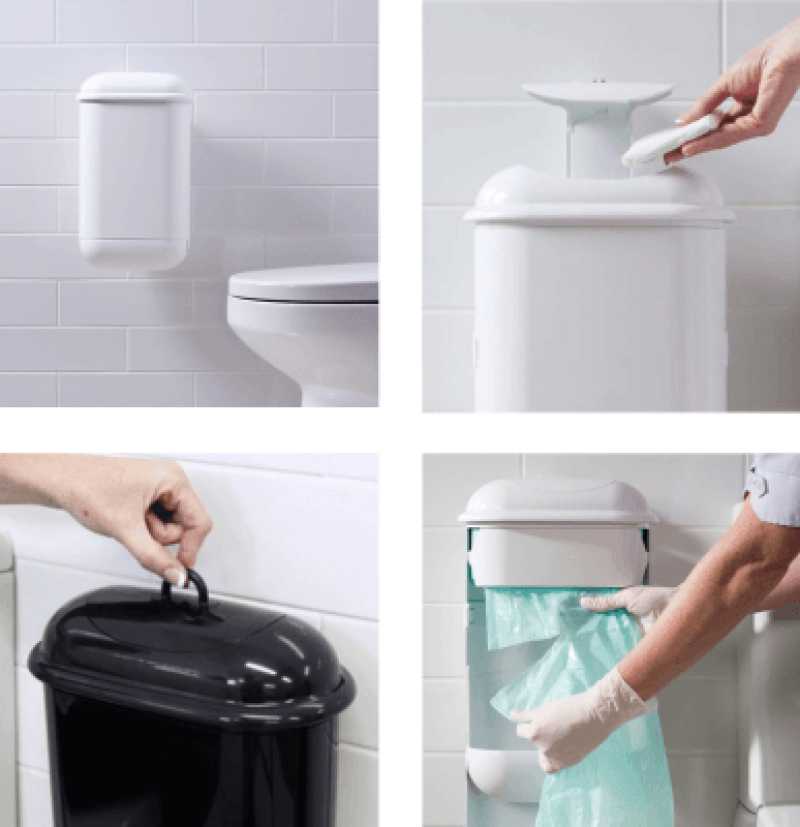
There’s one more line, and it’s the one we can speak to. Changing on time only works if there’s somewhere hygienic to put the used period products. A stall with no sanitary disposal unit, or an overflowing one, is where people wait too long or carry a product around until they find one.
In schools and workplaces, in-stall, touch-free sanitary disposal units remove the reason to delay. SaniPod’s Pod Petite Auto is the feminine hygiene unit most schools choose because a sealed liner cartridge means custodians change a liner rather than handle waste. It is also a safe, hygienic and easy solution people feel comfortable using.

For school nurses and parents
If you’re the person a teenager will actually ask, a one-page handout does more than a lecture. Put four things on it:
- The symptom list above.
- The change rule from the pack.
- The instruction to remove the tampon or cup and go to the ER, and to say what they were using.
- Where the nearest stocked restroom is, because a student who can change on time is a student who will.
Menstrual Hygiene Day falls in May, and it is a natural date to hand the sheet out.
Take the stall count to your next budget meeting
TSS is rare, and it moves fast. Caught early, it’s treatable. Know the symptoms and change on time. If you’re responsible for washrooms in a school or workplace, give people no reason to wait.
Get in touch with our team about in-stall sanitary disposal solutions for your school or workplace.
Talk to us about how our SaniPod™ sanitary units can elevate your restroom
Get in touchProudly used by


