What to Pack in a Period Emergency Kit for Your Bag, Locker, or Office Drawer
10 October, 2026

What to Pack in a Period Emergency Kit for Your Bag, Locker, or Office Drawer
It’s eleven in the morning, you’re not due for three days, and you’ve just realized your period has arrived. The nearest store is a fifteen-minute walk. The restroom period product dispenser, if there is one, is empty. You’ve got a meeting at half past.
Everyone who menstruates has had that hour. A period emergency kit is the ten minutes of preparation that stops it happening again. It isn’t complicated, and it doesn’t need to be expensive. It just needs to be assembled before you need it, which is the part most of us never get around to.
What is an emergency period kit actually for?
A good period kit does four things:
- it absorbs,
- it backs you up if something leaks,
- it lets you clean up,
- and it gives you somewhere to put what you’ve used.
That last one is the job most public restrooms leave to you, which is why it ends up on the list at all.
Every item in a decent kit earns its place against one of those four jobs. If it doesn’t do one of them, it’s taking up space you’ll want for something that does.
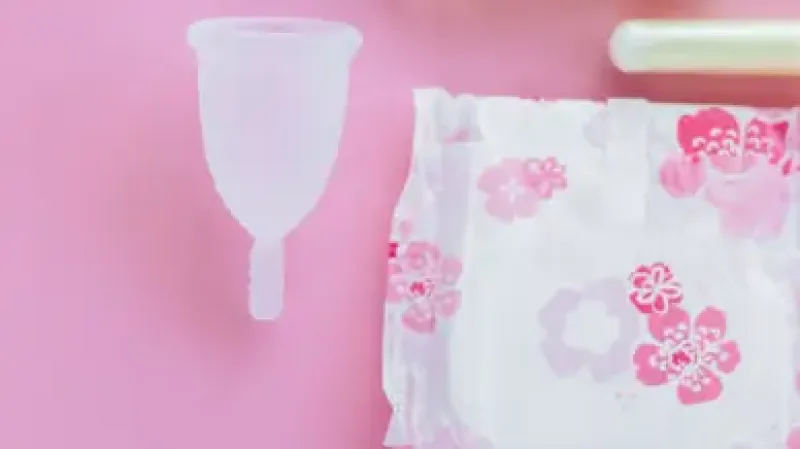
Start with the pouch
The container matters more than people expect, and it’s the first decision rather than the last. You want something small enough to live in a bag without taking up too much space, opaque rather than clear, and anonymous enough that it doesn’t announce what it is when you pull it out at a desk or take it to a restroom. A plain cosmetic bag, a pencil case, or a small zip pouch all work.
That discretion isn’t vanity. The reason most people want a kit in the first place is to handle their period without it becoming a conversation, and a transparent bag full of tampons defeats the point before you’ve opened it.
What goes into an Emergency Period Kit, and why
Absorbency
Two or three of whatever you normally use, plus one liner. That’s enough to get you through a day until you can restock properly, which is all an emergency kit is for. Packing a full cycle’s worth is how kits end up too bulky to carry, which is how they end up left at home.
If your flow varies, pack for your heavier days rather than your average. A liner is worth including even if you don’t usually use them, because it handles the “am I about to start” days that are the whole reason you’re carrying this.
Backup
One spare pair of underwear, folded flat. This is the item people skip and then wish they hadn’t, because it’s the difference between an awkward hour and an awkward day.
Period underwear works here too and does both jobs at once, which saves space.
Cleanup
Wipes, hand sanitizer, and a stain remover pen if you have room.
Wipes matter because you often won’t have access to anything more than a sink, and sometimes not even that. Hand sanitizer covers the restrooms where the soap dispenser is empty, which is more of them than it should be. The stain pen is a nice-to-have, but it’s the item that saves the pants you’re wearing.
Containment
A couple of small sealable bags, for the reason set out above: plenty of restrooms still put one receptacle by the sinks, or none at all, which leaves you walking out holding something you’d rather not be holding. If you’ve ever wondered why that’s still so common, period poverty in America covers how patchy provision still is across the US.
The extras worth the space
Pain relief, if you use it and it’s allowed where you’re going. An adhesive heat patch, which is the single best cramp item that fits in a pouch. And something to eat, because a lot of what feels unbearable at four in the afternoon is partly that you haven’t eaten since nine.
Where the kit lives
Most people need more than one, because the kit that helps you is the one you can reach. A full version somewhere stable, a smaller one that travels with you, and you’ve covered almost every way of getting caught out.
- Your everyday bag: The one that matters most, because it’s the one you have with you when you’re caught out. If you only build one kit, build this one.
- A desk drawer: Lets you carry less day-to-day, and gives you a backup when the bag version runs out mid-week. That’s the personal version. What your building should be providing is a different question, and one worth asking.
- A school locker: The most discreet of the lot, and the one that needs checking at the start of each term rather than discovered empty in October.
- The car and the gym bag: Both worth having. Both subject to the heat problem below.
All of which is you solving a problem on your building’s behalf. What your workplace or school should be providing is a different question, and one worth asking.
Keeping your period kit stocked and in date
The most common way a kit fails isn’t bad packing. It’s that you used it six months ago and never refilled it, so it’s there when you check and empty when you need it.
- Refill it the day you use it, not at some vague point afterwards. If that’s unrealistic, set a reminder for the first of the month.
- Heat and time matter too. Products that have spent a summer in a glovebox aren’t in the condition you want them in, and pain relief has an expiry date that’s easy to miss. Once or twice a year, tip the whole thing out and look at it properly.

What workplaces and schools should stock
Everything above is a workaround. People carry kits because buildings don’t provide them, and the buildings that do provide them notice the difference quickly.
A building-level kit is a small line item. It means products stocked in the restrooms themselves rather than held at reception where someone has to ask for them, a named person responsible for restocking, and a check on the same schedule as soap and paper towels.
It also means somewhere to put what’s been used. A dispenser goes in, the stall still has no sanitary disposal unit, and you’ve only solved half the problem.
A wall-mounted sanitary disposal unit in every stall is what makes the rest of it work.
We’ve written more on what this looks like in our offices and in schools solutions
Build it before you need it
A kit takes one trip to a store and a pouch you probably already own. Ten minutes now buys you every eleven o’clock morning from here on. It also means that when someone two desks over is having theirs, you’re the one who can help.
And if you’re the one who decides what your building stocks, get in touch with our team. We’re happy to help!
Talk to us about how our SaniPod™ sanitary units can elevate your restroom
Get in touchProudly used by


