First Period Kit: A Parent’s Complete Guide
16 September, 2026
First Period Kit: A Parent’s Complete Guide
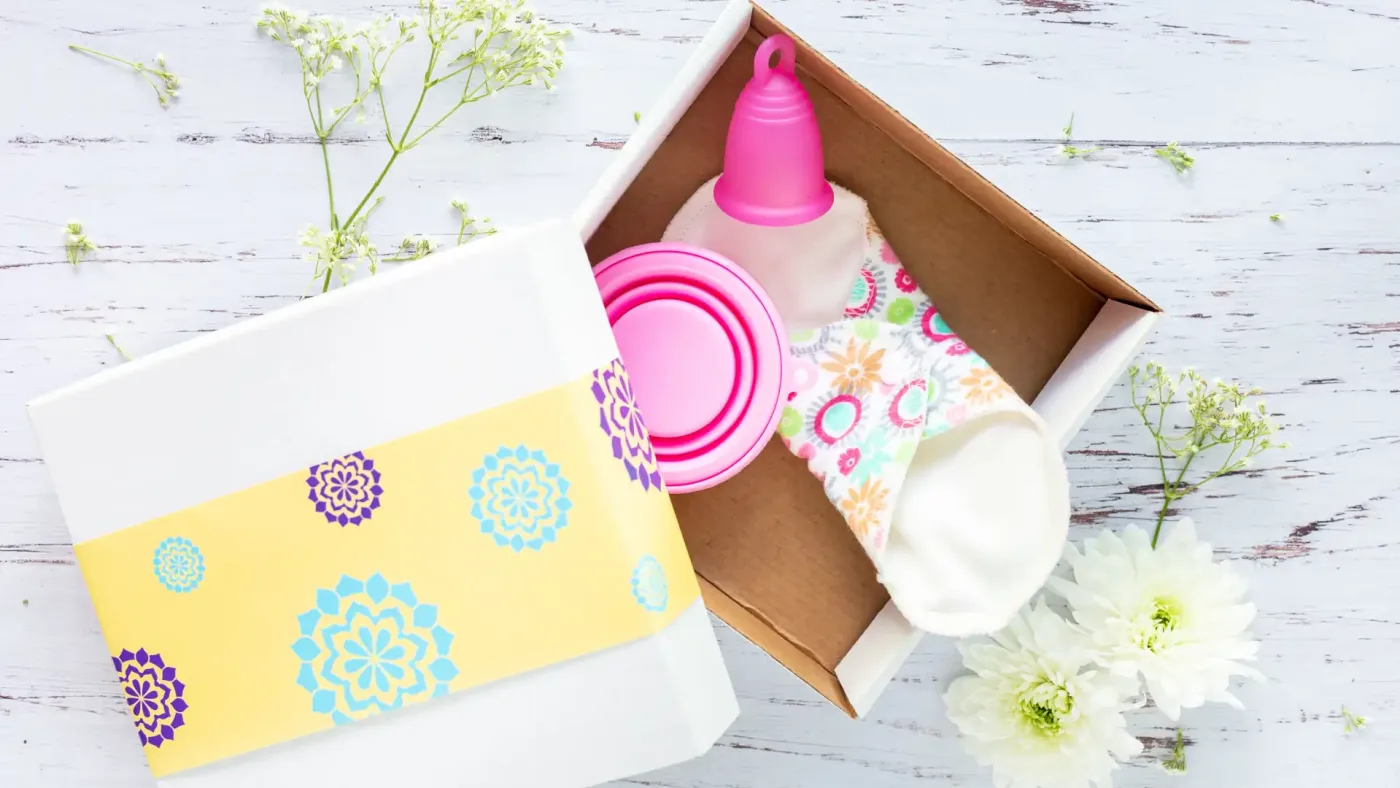
A well-prepared first period kit can be the difference between a first period that feels manageable and one that feels like a crisis. For many young people, their period arrives at school, and often without warning, and before they’ve had a chance to feel fully prepared. As a parent, putting together a kit in advance is one of the most practical, reassuring things you can do. It tells your child: I thought about this, I’ve got you covered, and there’s nothing to panic about.
This guide covers exactly what to put in a period kit, how to talk about it without making it awkward, and how schools and parents can work together to make sure no young person is caught out.

What to Put in a First Period Kit
Keep it compact, practical, and discreet. The goal is something your child can carry in their school bag without it taking up too much space or drawing attention. A small zip pouch, ideally in a neutral or favorite colour, works perfectly.
Here’s what to include:
1. Period products
Include a mix of absorbency levels to cover different flow intensities. For a first period kit, pads are the most straightforward starting point. They require no insertion and are easy to use independently for the first time. Include:
- 2-3 regular pads
- 1-2 thin panty liners (for lighter days or as a backup)
- 1 overnight or heavy pad (in case the first period is heavier than expected)
- If your child has expressed interest in tampons, you can include one or two. But make sure they’ve had a chance to read the instructions and feel confident about using them before relying on one at school. A first period is not the ideal moment to figure out a new product.
2. Clean underwear
A spare pair of dark-colored underwear is one of the most reassuring things in a period emergency kit. Leaks happen, especially in the early months when flow is unpredictable. Knowing there’s a backup pair in the bag removes a significant source of anxiety.
3. Resealable disposal bags
Small zip-lock or scented disposal bags allow your child to wrap and seal used products discreetly when they need to be carried to a bin. This is particularly useful if the school’s bathroom stalls don’t have dedicated sanitary bins inside every cubicle (something we’ll return to shortly).
4. Stain remover wipe or small spray
A portable stain remover stick or individually wrapped wipe can be a lifesaver for dealing with uniform or clothing stains quickly and quietly at school. These are compact and widely available at supermarkets and pharmacies.
5. Pain relief
If your child is old enough and you’re comfortable with it, include a small blister pack of age-appropriate pain relief (paracetamol or ibuprofen). Check your school’s policy on self-administered medication. Some schools require pupils to hand medication to the school nurse. If that’s the case, make sure the school nurse is aware and has a supply on hand too.
6. A small note from you
This one is optional, but many parents find it makes a real difference. A short, simple note inside the kit (“You’ve got this. I’m proud of you.”) can be genuinely comforting for a child who is managing their period at school for the first time, possibly without an adult they know nearby.

How to Talk to Your Child About Their First Period
The conversation matters as much as the kit. Research consistently shows that young people who receive clear, calm menstrual health education from a trusted adult are better prepared and less anxious when their period arrives. Here are a few principles that help:
- Start early and keep it low-key: Periods typically begin between ages 10 and 15, with the average around 12. Introduce the topic before puberty is in full swing, framed as normal biology rather than a big event.
- Use accurate language: Teach the correct names for body parts and processes. Euphemisms can add confusion and unintentional shame where there should be none.
- Cover the practicalities: Walk through how to use a pad, how often to change it, what to do if there’s a leak, and where to dispose of products. Practical knowledge builds confidence.
- Invite questions openly: Let your child know they can ask you anything and that no question is embarrassing. If you don’t know the answer, find it together.
- Acknowledge it might feel strange at first: Normalizing the learning curve that the first few cycles can be irregular and unpredictable reduces the shock factor when periods don’t follow a neat schedule.
If you’re unsure how to start the conversation, assembling the period kit together can be a natural way in. Walking through what each item is for opens a practical, non-pressured dialogue.
How Schools Can Support Parents and Students
Parents can prepare the kit, but schools play an equally critical role in making sure young people can manage their periods with dignity and without disruption to their day. Here’s what schools and school nurses in particular can do:
- Keep a supply of period products in the school nurse’s office: Accessible without requiring a student to explain themselves in detail or feel embarrassed asking.
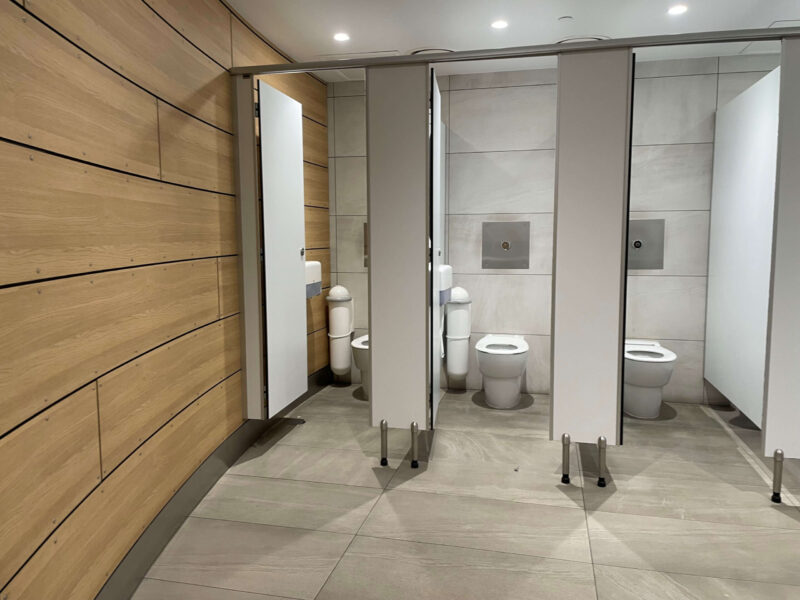
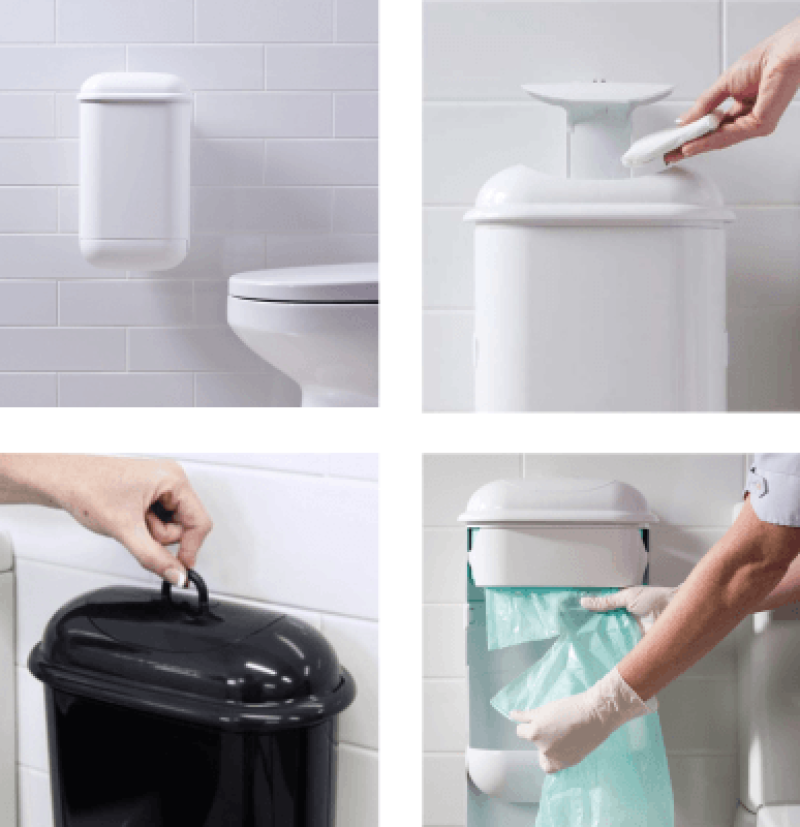
- Ensure every bathroom cubicle has a sanitary unit: This is the single most impactful infrastructure change a school can make. A student should never have to leave a cubicle to find a sanitary disposal unit – that moment of carrying a used period product past other students is a source of real anxiety for many young people. A purpose-built Pod™ Petite Auto or Pod™ Classic Auto in every cubicle removes this entirely.
- Train all staff and not just school nurses: Teachers and support staff should know how to respond calmly and helpfully if a student comes to them in distress about their period. A matter-of-fact, supportive response normalises the experience.
- Consider a period product scheme: Schools in many countries are now required by law to provide free period products. Where this isn’t yet mandated, proactively offering products removes a barrier for students from lower-income households.
- Include menstrual health in the curriculum: Age-appropriate education about periods should be standard. Not squeezed into a single lesson or treated as optional. The more normalised the conversation, the less distressing the experience.

What to Do If a Period Arrives Unexpectedly at School
Even with the best preparation, a first period can still catch a young person off guard. Make sure your child knows exactly what to do:
- Go to the school nurse or a trusted adult: They will have products, spare clothing if needed, and can help without making a fuss.
- Use toilet paper as a temporary pad if nothing else is available: Not ideal, but a practical short-term solution that buys time to get proper products.
- Remember that most adults in a school have seen this before: Teachers and school nurses are not going to be shocked or dismissive. It happens all the time.
- Text or call a parent if they feel overwhelmed: Knowing a parent is available by phone can be reassuring, even if going home isn’t necessary.
The more matter-of-fact your child feels about these steps, the less frightening an unexpected first period becomes.
Prepared Makes All the Difference
A period kit is a small thing that sends a big message: you’re ready, you’re supported, and there’s nothing about this that should cause shame or panic. Putting one together and talking through it calmly with your child is one of the most straightforward acts of preparation a parent can offer.
Schools that back this up with well-equipped bathrooms, accessible products, and a normalised approach to menstrual health create an environment where young people can manage their periods without it affecting their confidence, their attendance, or their focus.
For schools looking to ensure every bathroom cubicle is properly equipped with hygienic, discreet sanitary disposal solutions, SaniPod™ offers purpose-built options designed for educational facilities of all sizes.
Explore the full SaniPod™ range of sanitary disposal solutions and make first periods a little less daunting for every student in your school.
Chat to us about how our SaniPod™ sanitary units can help your school
Get in touchProudly used by


